SEO
local dried chili spices and seasonings shop
Summary: local dried chili spices and seasonings shop — key definitions, steps, and FAQs.
5 min read · আগস্ট 17, 2026
Local Dried Chili Spices and Seasonings Shop: A Guide to Authentic Heat
Overview
A local dried chili spices and seasonings shop is more than just a retail outlet; it is a sensory archive of regional culinary heritage. Unlike mass-produced supermarket powders that often lose their potency and nuance during industrial processing, a specialized local shop focuses on the preservation of volatile oils, authentic heat profiles, and the specific terroir of the peppers they source. Whether you are a professional chef seeking a specific Scoville level or a home cook looking to elevate a basic stew, these shops provide the precision and variety necessary to master the art of spice.The Anatomy of a Specialized Spice Shop
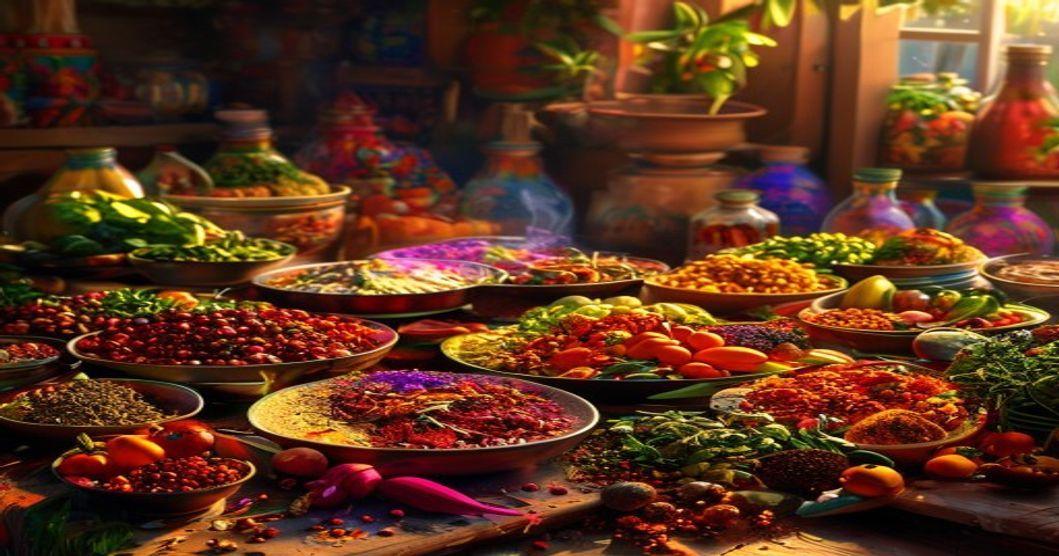
Walking into a dedicated chili and seasoning shop is an immersive experience. These establishments typically organize their inventory by heat level, regional origin, and application.Dried Whole Chilies
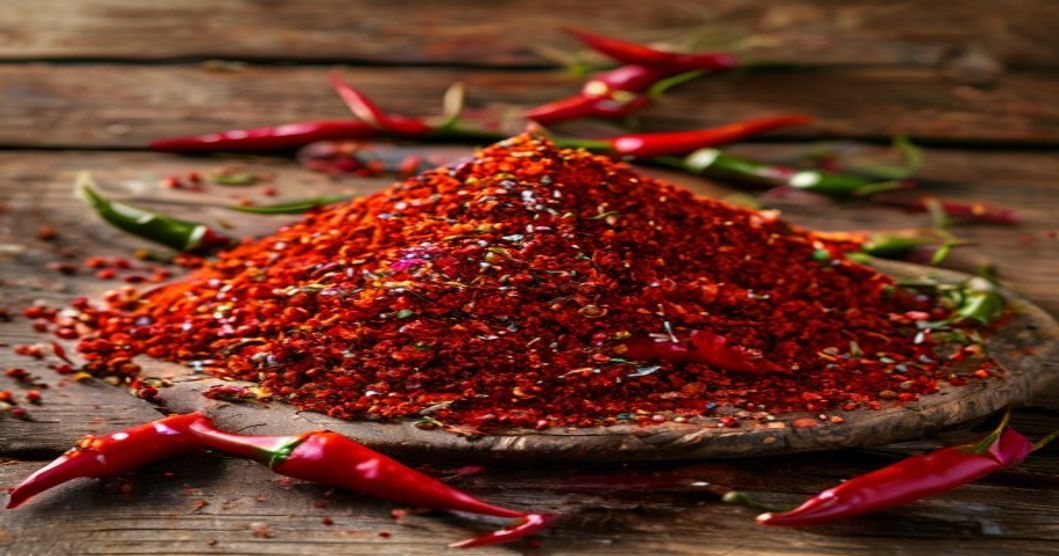
The cornerstone of any such shop is the variety of whole dried pods. You will find everything from the smoky, rich depth of Chipotle and Ancho to the piercing, clean heat of Bird's Eye or Thai chilies. Local shops often source these from small-scale farmers, ensuring that the drying process—whether sun-dried or kiln-dried—preserves the fruit's natural sugars and capsaicin.Custom Blends and Rubs
Beyond single-origin peppers, these shops excel in "house blends." These are curated mixtures of dried chili, salt, garlic, cumin, and other aromatics. Common offerings include:- Dry Rubs: Specifically designed for slow-smoking meats, balancing sweetness (brown sugar) with a slow-burn heat.
- Taco and Fajita Seasonings: Authentic blends that avoid the artificial fillers found in packets.
- Chili Oils and Crisps: Infused oils featuring fried garlic, shallots, and a medley of crushed dried chilies.
Rare and Exotic Seasonings
Many local shops act as bridges to global flavors, stocking items like Sichuan peppercorns (which provide a numbing ma sensation), Sumac for acidity, or smoked paprika from Spain.How to Choose the Right Chili for Your Dish
Navigating a wall of red powders and pods can be overwhelming. To choose the right seasoning, consider the "Three Pillars of Heat": 1. The Heat Level (The Burn): Determine if you want a subtle warmth (like Guajillo) or an aggressive fire (like Habanero). 2. The Flavor Profile (The Note): Do you want something fruity, smoky, citrusy, or earthy? For example, a smoked paprika adds a woody depth, while a crushed red pepper flake provides a sharp, clean sting. 3. The Texture: Whole pods are best for infusing oils or simmering in sauces where they can be strained out. Flakes are ideal for topping pizzas or pastas, and fine powders are best for seamless integration into rubs and batters.Practical Tips for Storage and Usage
To get the most value from your purchase at a local spice shop, proper maintenance is key.- Avoid Light and Heat: Store your dried chilies in airtight glass jars. Keep them away from the stove or direct sunlight, as UV rays and heat degrade the capsaicin and fade the vibrant red color.
- Toast Your Spices: To unlock the full aromatic potential of dried chilies or seeds, lightly toast them in a dry pan over medium heat for 30–60 seconds before adding them to your recipe.
- Rehydration: For whole dried pods, soak them in hot water for 15–20 minutes. This softens the skin and allows you to blend them into a smooth, potent paste.