SEO
hot pepper dried organic bd
Summary: hot pepper dried organic bd — key definitions, steps, and FAQs.
7 min read · আগস্ট 17, 2026
"hot pepper dried organic bd" (BD likely refers to Bangladesh, implying sourcing or market context).
Expand from a skeleton to 300-1800 words.
Single # H1, multiple ## sections, practical details, FAQ section.
Return ONLY the Markdown body (no JSON, no fences/code blocks).
Hot Pepper:* Capsicum, chili peppers.
Dried:* Preservation method, concentration of flavor/heat.
Organic:* No synthetic pesticides/fertilizers, sustainable farming.
BD (Bangladesh):* Local varieties (Naga, etc.), export quality, climatic conditions, local markets.
H1: The Comprehensive Guide to Hot Pepper Dried Organic BD*
Introduction:* What it is, why organic, why Bangladesh.
Types of Dried Peppers in BD:* Naga Morich (Ghost Pepper), local red chilies.
The Organic Process:* Soil health, drying methods (sun-drying vs. mechanical), organic certification.
Health Benefits:* Capsaicin, antioxidants, vitamins.
Culinary Uses:* Spices, powders, preservatives.
Buying Guide:* How to identify quality, storage tips.
FAQ:* Common questions.
Intro:* Focus on the richness of Bangladeshi soil and the demand for chemical-free spice.
Varieties:* Focus on the "Naga Morich" because it's the crown jewel of BD peppers. Mention the heat levels (Scoville).
Organic Farming:* Detail composting, crop rotation, and avoiding urea/pesticides. Explain the "sun-drying" tradition vs. modern organic dehydrators.
Practical details:* How to store (airtight containers, cool dry place). How to rehydrate (soaking in warm water).
Market/Sourcing:* Mentioning local farmers and the transition to organic standards.
* Ensure the tone is informative and professional.
* Check word count (aiming for ~800-1000 words).
* Verify formatting (H1, H2s, bolding).
Crucial:* No code blocks/fences.# Hot Pepper Dried Organic BD: The Complete Guide to Premium Bangladeshi Chilies
Overview
When it comes to the culinary landscape of South Asia, few ingredients are as pivotal as the hot pepper. In Bangladesh (BD), the tradition of growing, drying, and utilizing chilies is deeply ingrained in the culture. However, as health consciousness rises, the demand for hot pepper dried organic bd—organic dried chilies sourced from Bangladesh—has surged. Organic dried peppers offer a potent combination of concentrated heat, rich flavor, and a guarantee that no synthetic pesticides or harmful chemical fertilizers were used during the cultivation process. Whether you are a gourmet chef, a health enthusiast, or a spice importer, understanding the nuances of organic dried peppers from this region is essential for achieving the perfect balance of flavor and safety.The Significance of Organic Cultivation in Bangladesh
Bangladesh possesses a fertile deltaic soil that is naturally rich in nutrients, making it an ideal environment for growing Capsicum varieties. Traditionally, many small-scale farmers practiced organic farming by default. However, the introduction of chemical fertilizers and pesticides in recent decades led to a decline in soil health and a rise in chemical residues in food. The shift back to organic hot peppers involves several critical practices:- Natural Fertilization: Utilizing compost, vermicompost, and livestock manure instead of urea or TSP.
- Biological Pest Control: Employing neem oil, pheromone traps, and companion planting to manage pests without synthetic toxins.
- Water Management: Leveraging the natural monsoon rains and organic irrigation systems to ensure the plants thrive without chemical additives.
Popular Varieties of Dried Hot Peppers in BD
Bangladesh produces several varieties of chilies, ranging from mild to extreme. When looking for organic dried options, the following are the most prominent:1. Naga Morich (The Ghost Pepper)
The crown jewel of Bangladeshi peppers, the Naga Morich is world-renowned for its extreme heat and distinct smoky, fruity aroma. When dried organically, the Naga pepper retains its potency while concentrating its flavor, making it a favorite for high-end hot sauces and traditional spicy curries.2. Local Red Chilies (Kacha Morich/Shukno Morich)
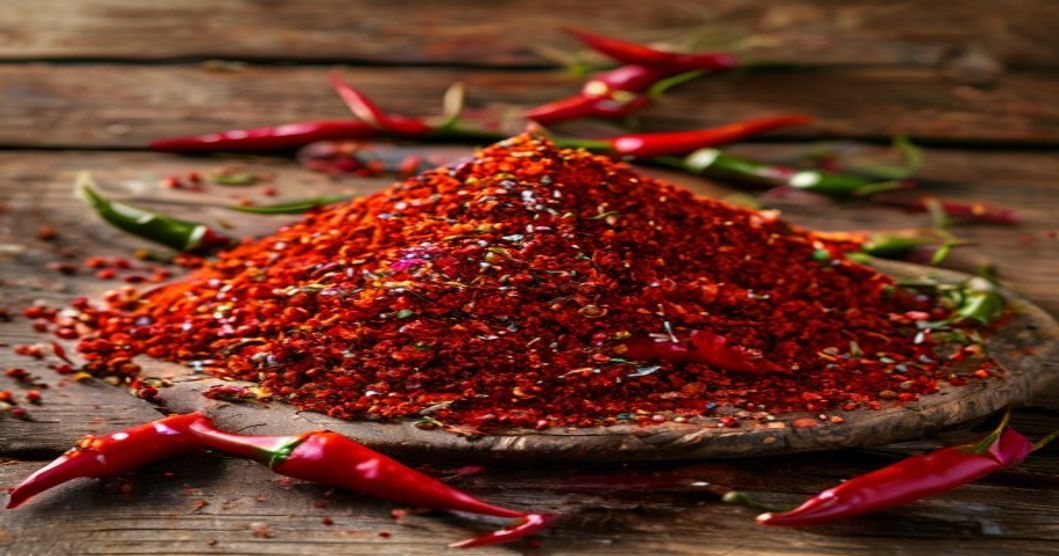
These are the standard red chilies used in almost every Bangladeshi household. Dried organic red chilies provide the classic "base heat" for fish curries and vegetable stir-fries. They offer a balanced heat profile and a deep red color that enhances the visual appeal of dishes.The Organic Drying Process
The transition from a fresh pepper to a high-quality dried product is where the quality is truly determined. For organic certification and quality retention, the drying process must be handled carefully:Sun Drying
The most traditional method in BD. Organic peppers are spread on clean bamboo mats or hygienic platforms and exposed to the tropical sun. This method is energy-efficient and preserves the natural sugars of the pepper, though it requires careful monitoring to avoid contamination from dust or insects.Mechanical Dehydration
To ensure a consistent moisture level (typically below 12%) and prevent mold growth, some organic producers use low-temperature dehydrators. This method is often preferred for export-grade hot pepper dried organic bd as it preserves the vibrant red color and prevents the "burnt" taste that can occur from overexposure to direct sunlight.Health Benefits and Nutritional Value
Organic dried hot peppers are more than just a source of heat; they are nutritional powerhouses.- Capsaicin: The active compound responsible for the heat. Capsaicin is known to boost metabolism, aid in weight loss, and act as a natural pain reliever.
- Vitamin C and A: Even after drying, these peppers retain significant amounts of antioxidants that support the immune system and skin health.
- Anti-Inflammatory Properties: Regular consumption of organic chilies can help reduce inflammation in the body.
- Chemical-Free Assurance: Because they are organic, you get these benefits without the added burden of synthetic chemical toxins.